UI/UX Design for SaaS: Best Practices for 2026
SaaS products face unique design challenges. Here are the UI/UX best practices that separate successful SaaS platforms from the rest.

Related Insights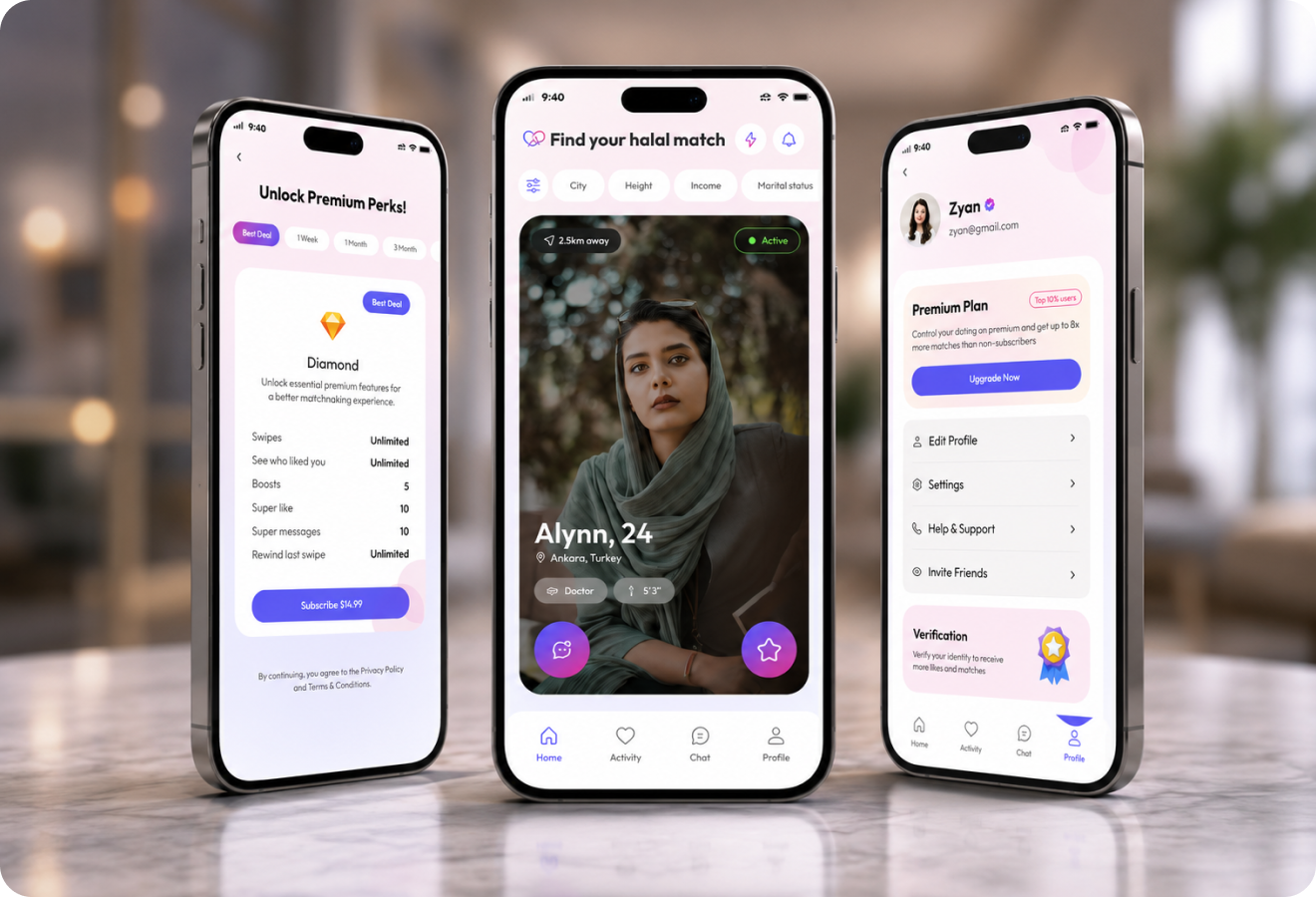 How to Evaluate and Select the Right UI/UX Partner for Your ProductChoosing the right design partner can make or break your product timeline. Here is a framework for evaluating design partners effectively.
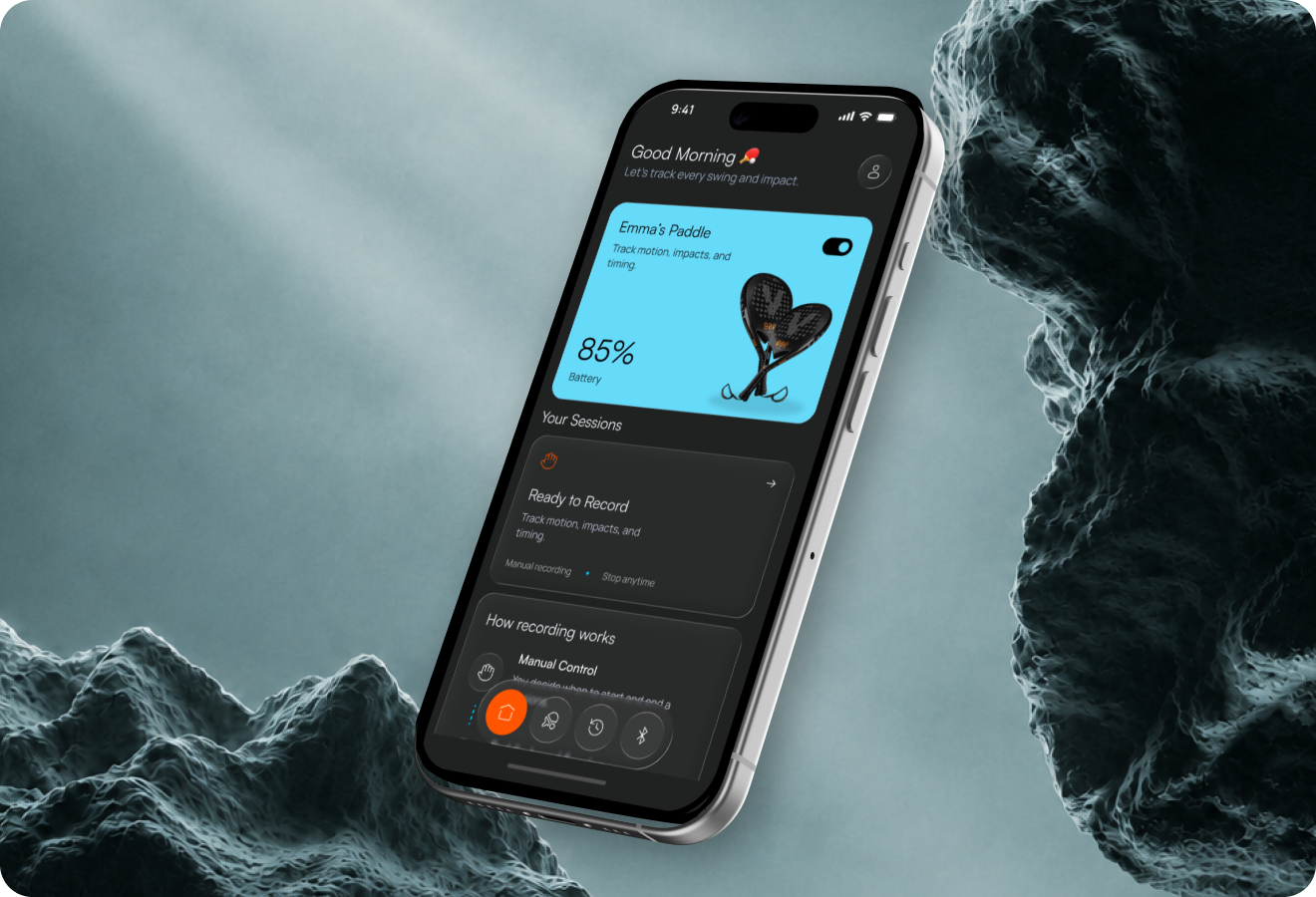 How Product Strategy Drives Measurable Business OutcomesProduct strategy is the bridge between vision and execution. Here is how strategic product thinking leads to measurable business results.
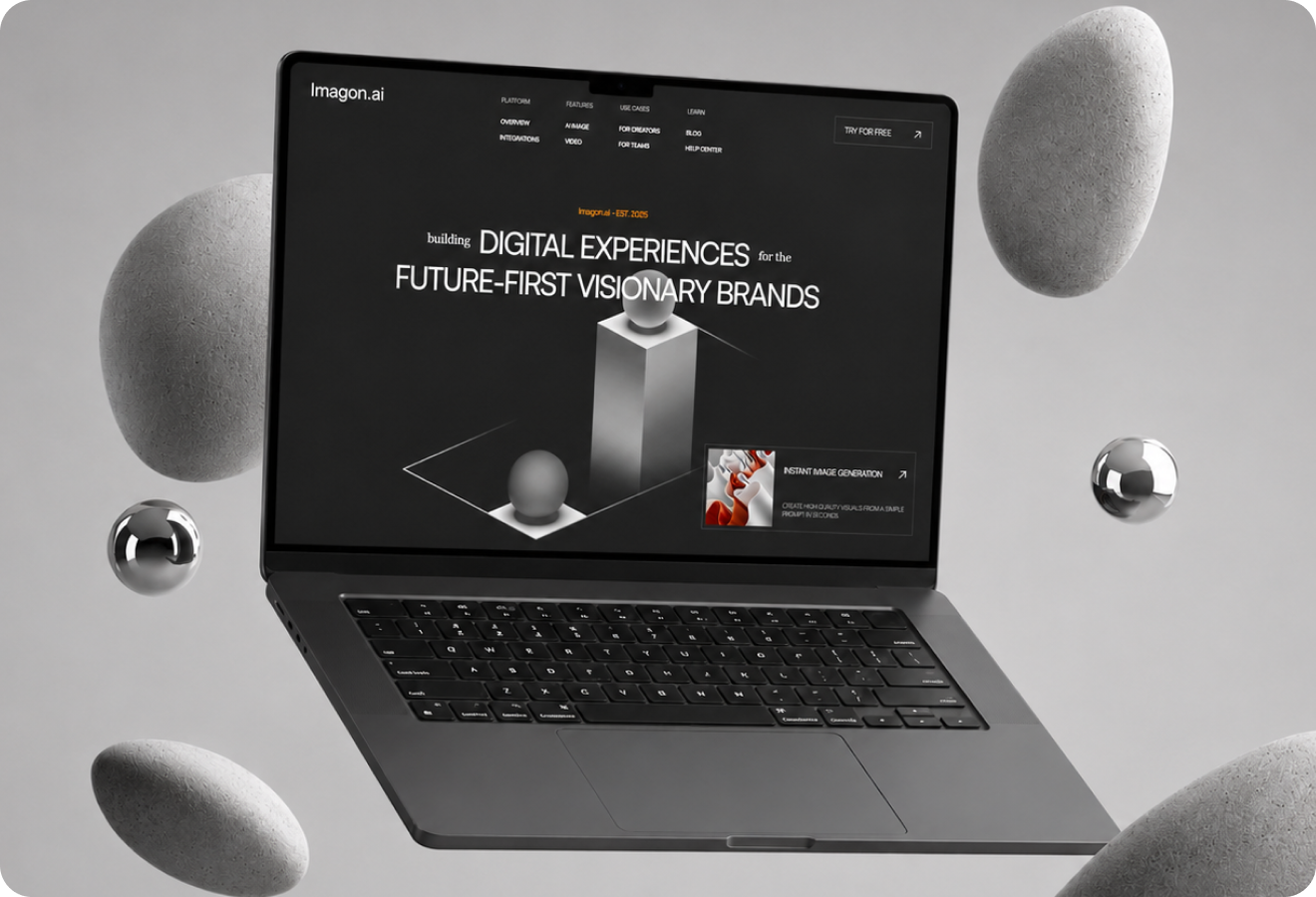 How AI is Transforming Product Design in 2026Artificial intelligence is reshaping how products are designed, tested, and shipped. Here is what product designers need to know to stay relevant in an AI first world.
Continue reading
How to Evaluate and Select the Right UI/UX Partner for Your ProductChoosing the right design partner can make or break your product timeline. Here is a framework for evaluating design partners effectively.How Product Strategy Drives Measurable Business OutcomesProduct strategy is the bridge between vision and execution. Here is how strategic product thinking leads to measurable business results.How AI is Transforming Product Design in 2026Artificial intelligence is reshaping how products are designed, tested, and shipped. Here is what product designers need to know to stay relevant in an AI first world.Have a product challenge to solve?
I am available for AI product management, product strategy, and UI/UX design projects. Let us build something that delivers measurable results.
Next Insight
Read Next How Product Strategy Drives Measurable Business Outcomes
Product strategy is the bridge between vision and execution. Here is how strategic product thinking leads to measurable business results.