How AI is Transforming Product Design in 2026
Artificial intelligence is reshaping how products are designed, tested, and shipped. Here is what product designers need to know to stay relevant in an AI first world.
Key Takeaway
Artificial intelligence is reshaping how products are designed, tested, and shipped. Here is what product designers need to know to stay relevant in an AI first world.
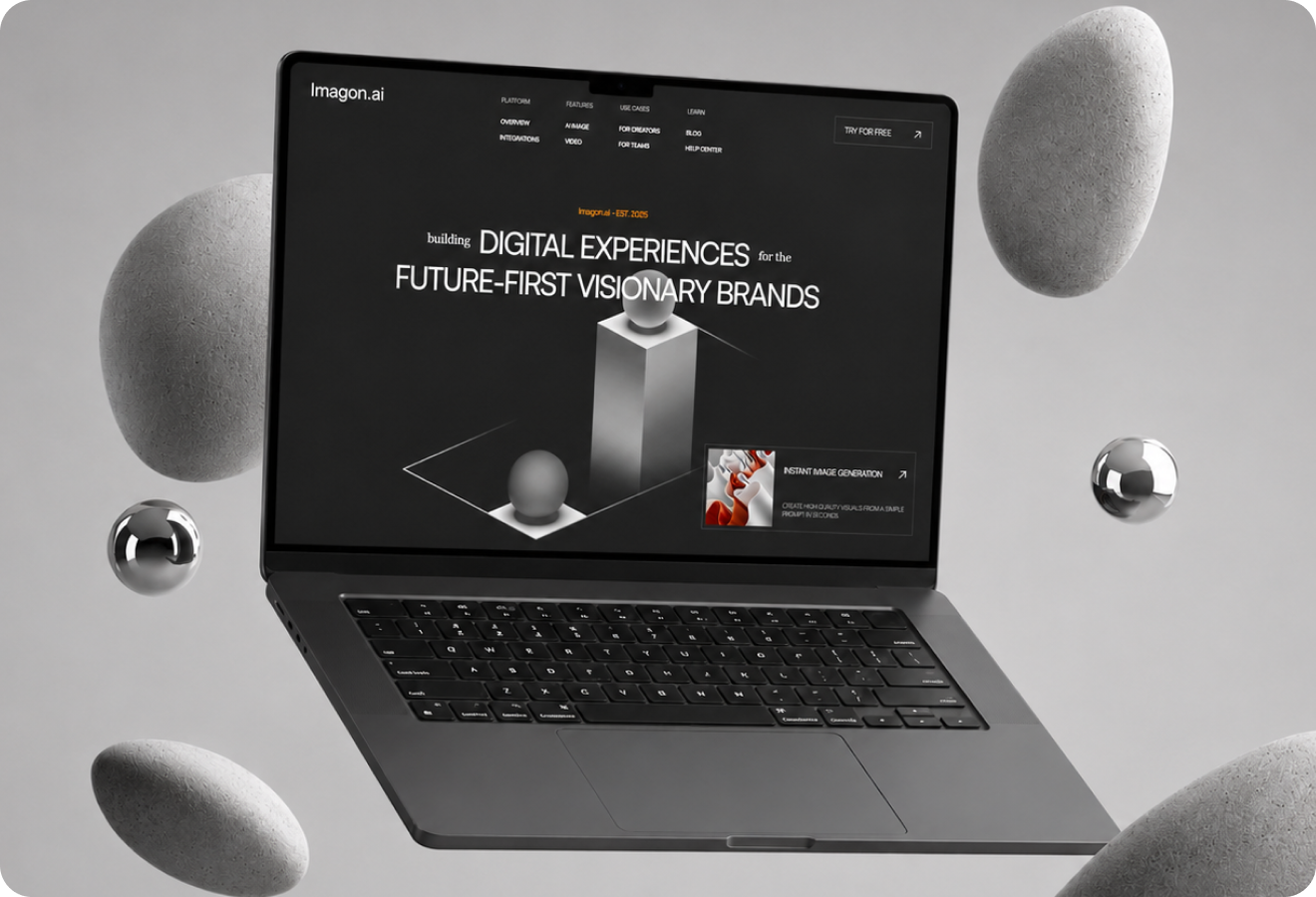
Related Insights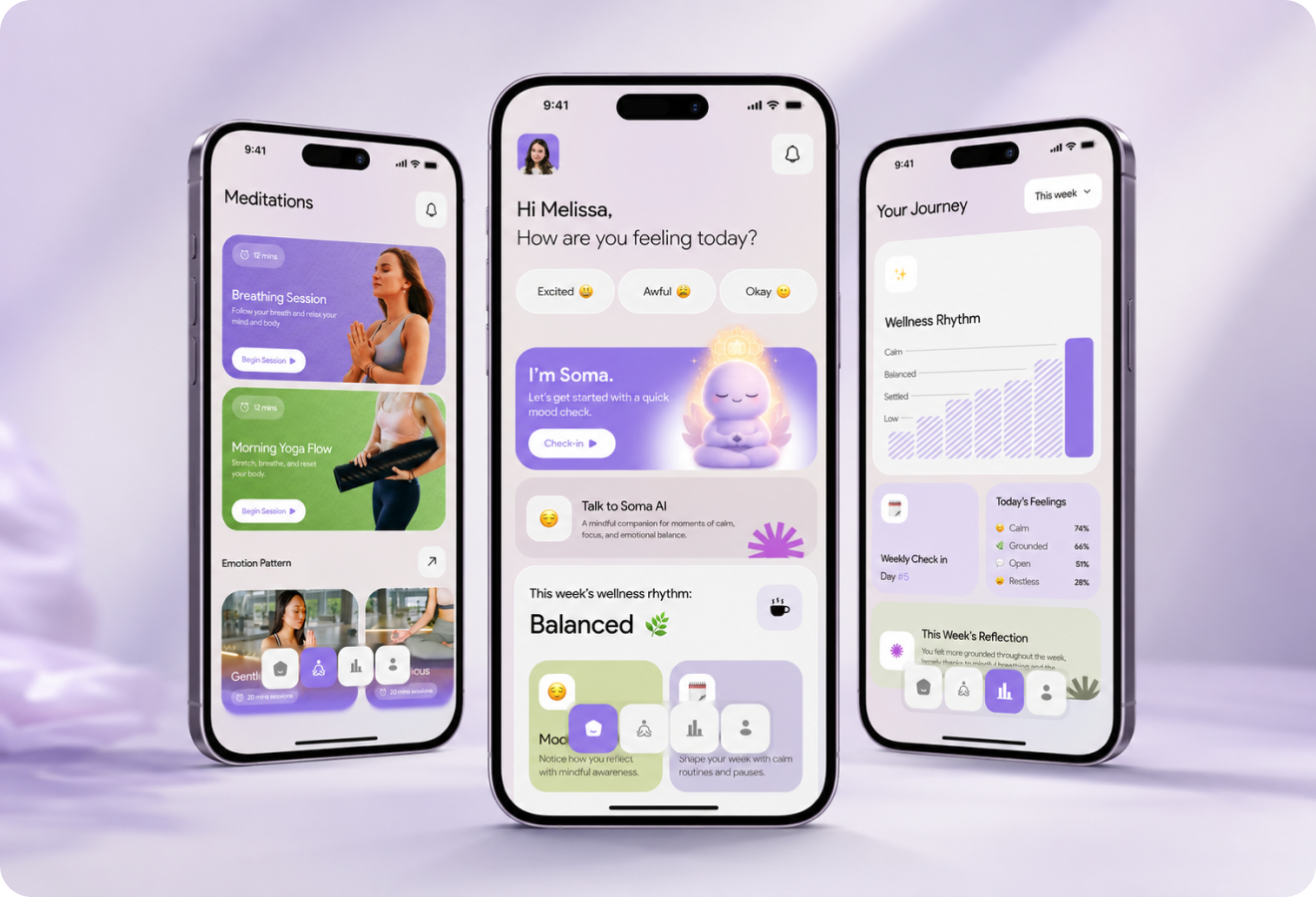 The Future of Product Design: AI, Automation, and CreativityAI and automation are reshaping product design. The future belongs to designers who can blend strategic creativity with AI fluency.
 How Product Strategy Drives Measurable Business OutcomesProduct strategy is the bridge between vision and execution. Here is how strategic product thinking leads to measurable business results.
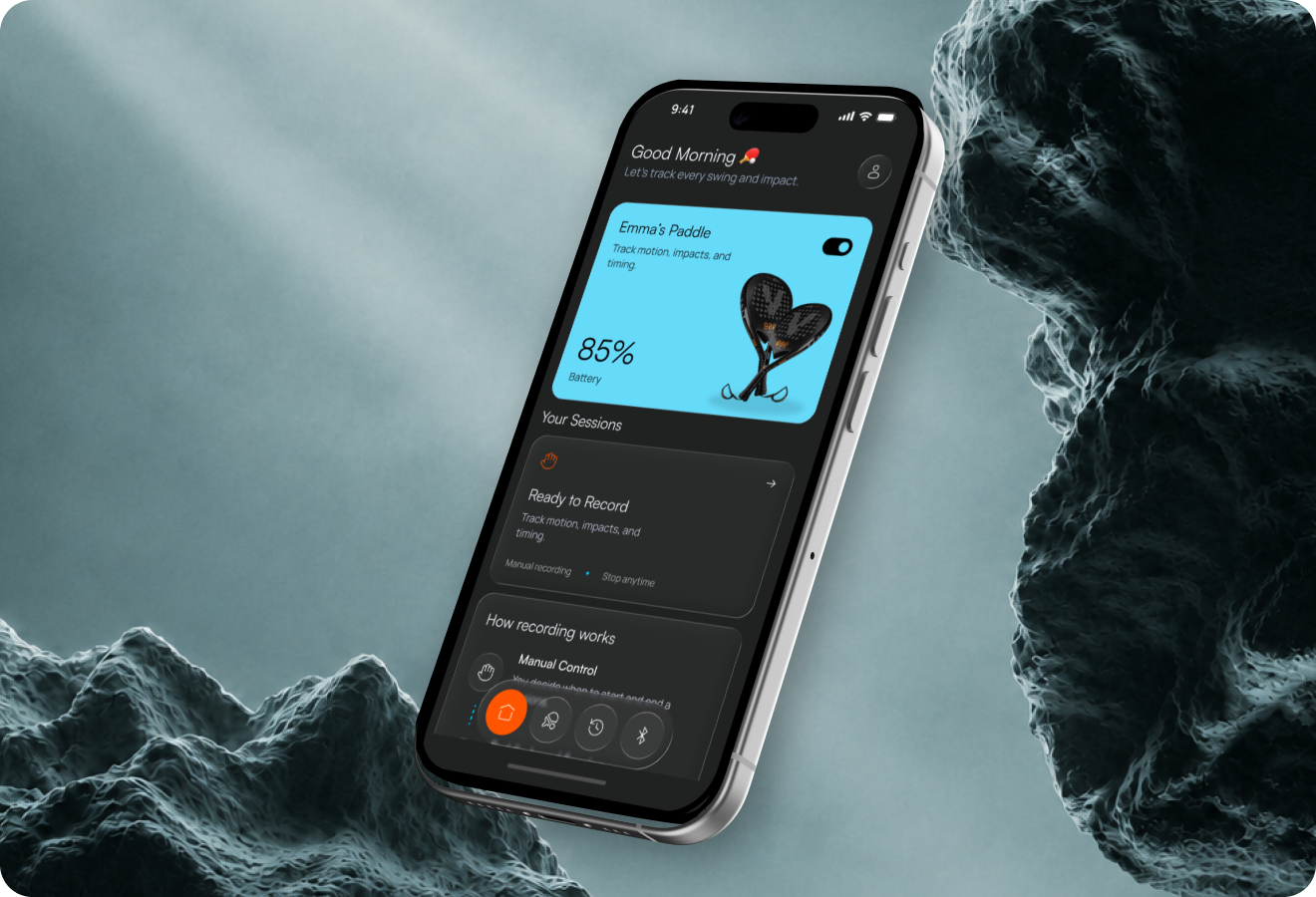
 The True Cost of Bad UI/UX and How It Impacts Your Bottom LinePoor user experience is costing businesses real revenue. Here is a breakdown of the hidden costs and why investing in UI/UX design is no longer optional.
Continue reading
The Future of Product Design: AI, Automation, and CreativityAI and automation are reshaping product design. The future belongs to designers who can blend strategic creativity with AI fluency.How Product Strategy Drives Measurable Business OutcomesProduct strategy is the bridge between vision and execution. Here is how strategic product thinking leads to measurable business results.The True Cost of Bad UI/UX and How It Impacts Your Bottom LinePoor user experience is costing businesses real revenue. Here is a breakdown of the hidden costs and why investing in UI/UX design is no longer optional.Have a product challenge to solve?
I am available for AI product management, product strategy, and UI/UX design projects. Let us build something that delivers measurable results.
Next Insight
Read Next The True Cost of Bad UI/UX and How It Impacts Your Bottom Line
Poor user experience is costing businesses real revenue. Here is a breakdown of the hidden costs and why investing in UI/UX design is no longer optional.